
Top Waterproofing Products for Reliable Protection
Discover the leading waterproofing solutions designed to safeguard your property from water damage and ensure durability.
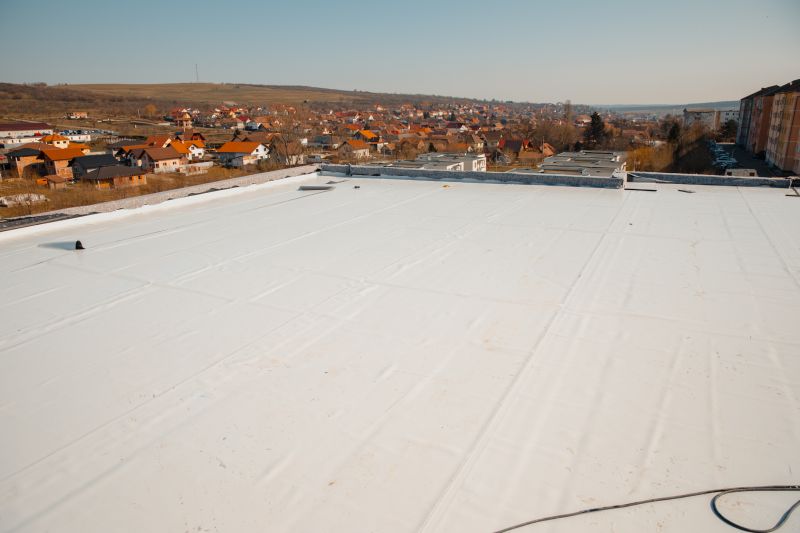 Waterproofing products are essential for protecting structures from moisture intrusion, which can cause damage over time. These products are designed to create a barrier that prevents water from penetrating surfaces such as foundations, roofs, walls, and floors. When selecting waterproofing solutions, it is important to consider the specific application, environmental conditions, and the type of surface to be protected. Proper application and maintenance can extend the lifespan of buildings and reduce the need for costly repairs.
Top Overall Option
Liquid Waterproofing Membrane
A versatile liquid membrane can be applied to a variety of surfaces, creating a seamless, flexible barrier against water intrusion. It is suitable for both interior and exterior use, often used on roofs, foundations, and balconies. Its ease of application and ability to conform to complex shapes make it a popular choice for many waterproofing projects.
Types of Products For Waterproofings
Liquid Waterproofing Membranes
Seamless, flexible coatings that can be brushed, rolled, or sprayed onto surfaces for comprehensive water protection.
Sheet Membranes
Preformed sheets made from rubber, bitumen, or plastic that are adhered to surfaces for durable waterproofing layers.
Bituminous Coatings
Asphalt-based coatings ideal for below-grade applications and roofing, providing a thick protective layer.
Polyurethane Coatings
High-performance coatings that offer excellent elasticity and adhesion for various surfaces.
Acrylic Coatings
Water-based coatings suitable for roof surfaces and exterior walls, providing UV resistance.
Sealants and Caulks
Flexible sealants used to fill cracks and joints, preventing water ingress in small openings.
Hydrophobic Paints
Specialized paints that repel water, ideal for exterior walls and surfaces exposed to moisture.
Cementitious Coatings
Ready-mixed cement-based products suitable for foundation walls and underground structures.
Crystalline Waterproofing
Chemical treatments that penetrate concrete to form waterproof crystals within the material.
Spray-On Waterproofing
Fluid coatings that can be sprayed onto surfaces for quick and uniform application.
Rubberized Coatings
Flexible rubber-like coatings that provide waterproof protection for roofs and foundations.
Bitumen Sheets
Self-adhesive or torch-applied bitumen sheets used mainly in roofing and below-grade waterproofing.
Liquid Rubber Coatings
Eco-friendly liquid rubber coatings that form elastic, waterproof membranes.
Vapor Barriers
Materials designed to prevent moisture vapor transmission, often installed in walls or floors.
Waterproofing Paints
Specialized paints formulated to resist water penetration on exterior surfaces.
Popular Choices
Widely used for their ease of application and seamless coverage, suitable for various surfaces.
Commonly applied for foundation and roofing projects, appreciated for their durability.
Preferred in many construction projects for their strength and reliability in waterproofing below-grade areas.
Known for their excellent elasticity and adhesion, suitable for challenging surfaces.
Essential for sealing joints and cracks, preventing water from seeping through small openings.
Popular for exterior walls, providing water resistance and surface protection.
Often used in underground and foundation waterproofing, valued for their compatibility with concrete.
Chosen for their ability to penetrate concrete and form a permanent waterproof barrier.
Favored for quick coverage and uniform application on complex surfaces.
Popular for their flexibility and resilience in roofing and foundation applications.
Different waterproofing products are formulated for various scenarios, including interior and exterior use, below-grade and above-grade applications, and for different materials such as concrete, wood, or metal. Some products are liquid-applied coatings that form seamless membranes, while others are sheet membranes or sealants that can be applied with brushes, rollers, or sprayers. To achieve optimal results, it is vital to choose a product compatible with the surface and environmental exposure.
In addition to choosing the right product, preparation of the surface is crucial. Surfaces should be clean, dry, and free from loose debris or previous coatings. Proper curing and sealing techniques ensure the waterproofing layer adheres effectively and maintains its integrity over time. Regular inspections and maintenance can help identify early signs of wear or damage, allowing for timely repairs and reapplications.
Whether safeguarding a basement, roof, or outdoor structure, selecting the appropriate waterproofing product involves understanding the specific needs of the project. Consulting with professionals or experienced suppliers can provide valuable guidance tailored to local conditions in Hudsonville, MI. With the right products and application methods, property owners can achieve durable protection against water-related issues, preserving the value and safety of their structures.
Key Buying Considerations
- Identify the specific area or surface to be waterproofed to select the appropriate product type.
- Consider the environmental conditions, such as exposure to UV rays, temperature fluctuations, and moisture levels.
- Check compatibility of the product with existing surfaces and materials to ensure proper adhesion.
- Evaluate the ease of application, including tools required and drying or curing times.
- Determine the longevity and durability of the product based on the project needs and expected wear.
- Assess whether a seamless membrane or sheet system is preferable for your application.
- Review manufacturer instructions and recommended preparation procedures for optimal results.
- Consider the flexibility of the product, especially for surfaces subject to movement or expansion.
- Look into the maintenance requirements and ease of reapplication or repairs.
- Ensure the product is suitable for the specific application, whether it is below grade, roof, or wall surfaces.
- Verify if the product has any specific safety or ventilation considerations during application.
- Determine if additional protective coatings or layers are recommended for enhanced performance.
- Assess cost-effectiveness in relation to the coverage area and lifespan.
- Consult with local suppliers or professionals familiar with Hudsonville, MI, climate conditions for tailored advice.
- Check for any applicable warranties or guarantees offered by the manufacturer.